WebWhizz Blog -
Expert Digital Insights.
Expert thoughts on design, technology, and digital growth strategies. No fluff, just value.
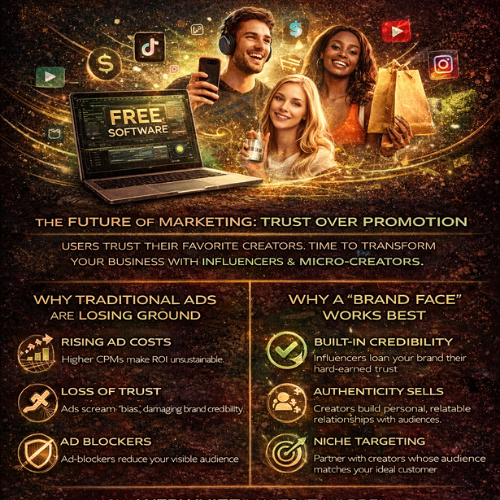
The Creator Economy for Small Business Why Your 2026 Marketing Strategy Needs a Human Face
The way customers discover, trust, and purchase from small businesses has fundamentally changed. If your marketing budget is still heavily weighted toward expensive, disruptive social media advertisements, you are already falling behind. Welcome to the Creator Economy—a landscape where connection trumps interruption. For small businesses, harnessing this shift is no longer optional; it is the most efficient path to growth in 2026. This is the definitive guide from WebWhizz on why hiring a "brand face" is the smarter, more effective strategy than relying solely on traditional digital advertising, and how we can help you integrate this strategy seamlessly. The Trust Crisis: Why Traditional Ads Are Failing Small Businesses For the past decade, the solution to stalled growth was simple: pump more money into Facebook, Instagram, or Google ads. Today, that playbook is broken. We are living in an era of digital fatigue and extreme saturation. Consumers are weary of polished, aggressive marketing designed solely to push a sale. The Costly Reality of 2026 Advertising Traditional social media advertisements are facing significant headwinds that drastically reduce their effectiveness for small businesses: Rising CPMs (Cost Per Mille): Competition for ad space is fiercer than ever. Small businesses simply cannot afford to compete with multinational corporations for prime placements, resulting in higher acquisition costs and diminishing returns. Ad Blocker Adoption: Across desktop and mobile, ad blocker usage continues to climb, silently eliminating a significant portion of your paid reach. The Algorithm Penalty: Algorithms are increasingly designed to prioritize authentic, relational content over disruptive advertising, pushing promotional posts lower in user feeds. Loss of Trust: Consumers intuitively understand that a paid ad is biased. The conversion rate on traffic generated by a cold ad is plummeting compared to traffic generated by a personal recommendation. The Strategic Shift: Investing in a Brand Face The solution to the trust crisis is simple: authenticity. Instead of buying attention through traditional ads, small businesses need to earn attention through human connection. This is where the "Brand Face" (or micro-creator/influencer) steps in. A brand face is not necessarily a celebrity; they are individuals with established, trusting communities who can genuinely advocate for your product or service. They are your business’s relatable, human representative in the digital sphere. The Power of Authenticity and Relatability When a creator recommends a service, they are loaning their hard-earned trust to your brand. This results in significantly higher engagement and conversion rates compared to generic ad copy. Content That Converts: Creator content is inherently tailored to its audience. It integrates naturally into the user feed, feeling less like marketing and more like helpful advice or entertainment. Built-in Targeting: A creator’s audience is already segmented. If you partner with a creator who reviews SaaS tools, their followers are automatically highly qualified leads for your new B2B platform. You pay for engagement, not for broad impressions. The Feedback Loop: Creators often provide immediate, honest feedback from their audience, offering invaluable qualitative data that traditional analytics cannot capture. Why is this better than traditional ads? A traditional ad tries to interrupt the user's experience. A brand face is the user’s experience. The transition from discovery to purchase is seamless because the trust is already established. Superior ROI and Measurable Impact While traditional ads require high spend to break through the noise, creator-driven marketing offers scalable and often immediate returns. The content generated by creators—reviews, tutorials, unboxings—is reusable across your owned channels. You gain high-quality, high-trust content that you can leverage on your website, email campaigns, and organic social media long after the initial partnership ends. Integrating the Creator Economy into Your Strategy Moving from traditional digital advertising to creator partnerships requires a robust, well-defined strategy. This is where WebWhizz excels. We don't just build great websites; we build the digital foundation necessary to leverage modern marketing trends effectively. 1. Strategy and Selection: Finding Your Match The biggest risk in the Creator Economy is partnering with the wrong person. A mismatch in audience or values can damage your brand credibility. We help small businesses define their ideal brand face criteria, focusing on: Niche Relevance: Do their followers actively engage with products or services like yours? Engagement Metrics: We look beyond follower count to track true engagement rates, ensuring the creator has a dedicated, active community. Brand Alignment: Do their personal values and tone align perfectly with your brand identity? 2. Digital Infrastructure for Conversion A creator’s job is to build trust and drive traffic. Your website’s job is to convert that traffic. Creator traffic is typically highly motivated, but if they land on a slow, confusing, or outdated website, that investment is wasted. WebWhizz ensures your digital infrastructure is optimized for performance, trust, and conversion. Dedicated Landing Pages: We build high-converting landing pages specifically designed for traffic coming from a specific creator’s audience, allowing for customized messaging and tracking. Mobile-First Speed: Given that nearly all creator traffic originates on mobile platforms, your site speed must be flawless to prevent high bounce rates. ➡️ Learn how WebWhizz designs digital experiences that convert high-trust traffic into revenue. Visit our Web Development Services Page to start building your foundation. 3. Performance Tracking and Optimization The ultimate advantage of using a brand face is the ability to track performance accurately—provided your analytics are set up correctly. We establish deep tracking mechanisms to measure the true ROI of every creator partnership: Unique Vanity URLs/Codes: We implement unique tracking links and promotional codes for each creator, allowing us to attribute sales and leads directly back to their efforts. Behavioral Flow Analysis: We monitor how creator-driven traffic behaves once it hits your site (e.g., time on site, pages viewed, path to conversion). Cost Efficiency Comparison: We provide clear reports comparing the Customer Acquisition Cost (CAC) derived from creator partnerships versus traditional paid media, consistently demonstrating the efficiency of the human touch. Future-Proofing Your Marketing Budget By 2026, the businesses that thrive will be those that prioritize authentic connection over mass disruption. Investing in a brand face is not just a tactical shift; it is a strategic repositioning of your brand from seller to trusted partner. This strategy ensures your marketing budget is not consumed by the ever-increasing cost of impressions, but rather dedicated to building lasting relationships that drive genuine growth and community loyalty. Ready to Give Your Small Business a Human Advantage? The transition to a creator-led strategy can feel overwhelming, but you don't have to navigate the selection, contracting, integration, and tracking alone. WebWhizz specializes in bridging the gap between cutting-edge digital marketing trends and solid, measurable digital performance. We help small businesses identify the right faces, manage the relationship, and ensure that every piece of content leads directly to a quantifiable result on your optimized website. Stop chasing declining returns from traditional ads. Start earning genuine trust. Let’s discuss how to find the perfect Brand Face for your business and build the digital infrastructure to support their success. Reach out to our strategy team today: Contact WebWhizz for a Strategy Session.
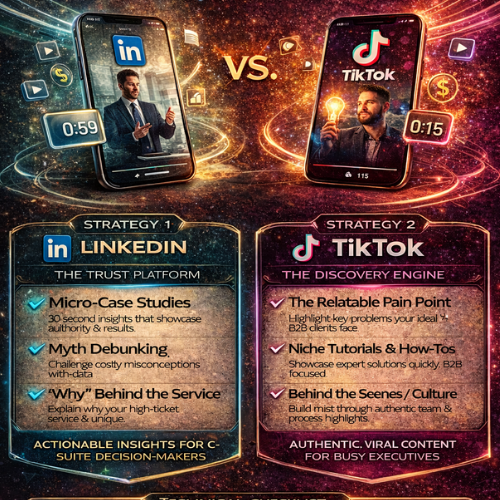
Short-Form Video for B2B How to Use 60-Second Clips to Close High-Ticket Clients
The landscape of B2B sales is undergoing a rapid, often jarring, evolution. While white papers and 50-page reports still hold their place, the gatekeepers—and increasingly, the decision-makers themselves—have zero tolerance for wasted time. If you are selling high-ticket services—where trust, authority, and perceived value are non-negotiable—you need a marketing strategy that builds a deep connection, fast. Enter short-form video (SFV). Often dismissed as a playground for Gen Z or consumer brands, 60-second clips on platforms like LinkedIn and TikTok are now the most efficient way to pre-qualify, nurture, and ultimately close lucrative B2B clients. This guide will show you how to shift your strategy from chasing leads to building magnetic digital authority, turning quick clips into powerful conversion tools. Why 60 Seconds is the New Sales Pitch The average attention span continues to shrink, but the need for genuine expertise in high-ticket B2B services (like specialized consulting, complex software integration, or advanced web development) has never been higher. SFV bridges this gap by offering immediate, digestible value. The Power of Authenticity and Clarity High-ticket buyers don't purchase based on a low price; they purchase based on certainty and trust. They want to know the person behind the brand is competent, knowledgeable, and reliable. Humanizing the Brand: Video allows potential clients to see your face, hear your tone, and gauge your confidence. This rapid humanization accelerates the trust-building process far faster than text alone. Immediate Expertise Demonstration: Instead of requiring a prospect to download a 20-page guide to understand your methodology, you can break down a complex concept into a 45-second "Aha!" moment. This positions you as an immediate authority. Efficiency for Decision-Makers: C-level executives and key stakeholders are time-poor. A video that respects their time by delivering a single, critical insight in under a minute is far more valuable than a lengthy cold email. Strategy 1: Mastering LinkedIn Video (The Trust Platform) LinkedIn is your primary hunting ground. It is the professional environment where decision-makers expect thoughtful, relevant, and slightly polished content. The goal here is to establish undeniable thought leadership. Content Pillars for High-Ticket LinkedIn Success Your 60-second videos must be designed to solve a major pain point for your ideal high-ticket client. Micro-Case Studies (30-45 seconds): Don't share the whole success story; share the single biggest transformation you achieved for a client. Example: "We took a client's website load time from 8 seconds to 1.5 seconds, directly increasing their funnel conversion rate by 18%. Here’s the one technical change that drove that result. Myth Debunking: Challenge widely held, expensive misconceptions in your industry. If you offer advanced SEO strategy, debunk the latest Google algorithm rumors. Data Insight Breakdown: Present one shocking, relevant data point related to poor performance (e.g., bad web design, outdated tech stack) and immediately offer a tangible, actionable fix. The "Why" Behind the Service: Explain why your approach to a service (like Conversion Rate Optimization) fundamentally differs from your competitors, justifying the high-ticket investment. WebWhizz Tip: Every great LinkedIn video needs a clear next step. Are you driving them to a specialized landing page to capture their email, or directly to a discovery call scheduler? If your website isn't optimized for high-value lead capture, the video effort is wasted. Learn how we build conversion-optimized funnels that turn video viewers into qualified prospects: Explore Our Conversion Optimization Services at webwhizzservices.com/services/cro. Strategy 2: Leveraging TikTok (The Discovery Engine) If LinkedIn is where you confirm expertise, TikTok is where you generate massive, surprising discovery. High-ticket decision-makers are increasingly active on TikTok, often scrolling through during non-work hours. The tone here must be authentic, highly engaging, and focus more on the problems than the formal solutions. Bridging the Gap: From TikTok View to Qualified Lead The content on TikTok should aim for relatability and virality within your niche, even if that niche is highly technical. The Relatable Pain Point: Use trending sounds or formats to discuss B2B frustrations. Example: A quick cut video showing the frustration of dealing with a slow, outdated website, followed by a screen recording demonstrating a modern, high-speed solution. Niche Tutorials & "How-Tos": Offer extremely quick, hyper-specific tutorials that demonstrate proprietary knowledge. Think: "How to check if your current host is costing you leads in 45 seconds. Behind the Scenes/Culture: Show the professionalism and dedication of your team without being stuffy. Authenticity builds connection, which is key for those making large purchasing decisions. The Authority Funnel The goal of TikTok is not to sell directly, but to drive traffic to a place where they can learn more about your professional services. The Hook: A trending video structure addressing a pain point relevant to their business. The Promise: Demonstrating a quick fix or high-level insight. The Call to Action (CTA): Directing viewers to the link in your bio, which must lead them off-platform to your controlled environment (your website). If you are generating thousands of views but few leads, your web presence is likely the bottleneck. We specialize in building robust digital ecosystems that translate high-volume social traffic into high-quality B2B leads. See Our Full Website Design and Development Portfolio at webwhizzservices.com/portfolio. The Technical Checklist: Production Essentials The good news is that high-ticket B2B video doesn't require a film studio, but it does require clarity and consistency. | Element | LinkedIn Standard (Trust) | TikTok Standard (Discovery) | | :--- | :--- | :--- | | Video Length | 45–60 seconds | 15–45 seconds | | Editing Style | Clean cuts, simple text overlays, professional graphics. | Fast cuts, on-screen text for clarity, sound/music is essential. | | Audio Quality | Mandatory high quality. Use a dedicated lapel mic. | Clear audio, though phone-level quality is acceptable if content is compelling. | | Subtitles | Mandatory. Most B2B users watch LinkedIn silently. | Mandatory. Enhances accessibility and retention. | | Format | Vertical (9:16) for max screen usage. Upload Natively. | Vertical (9:16). | | Delivery | Direct to camera or screen recording demonstrations. | Energetic, often incorporating trends or voiceovers. | The WebWhizz Connection: Turning Views into Revenue Short-form video is the catalyst; your website is the engine that converts interest into revenue. Imagine a potential client watches your 60-second clip on LinkedIn, is immediately impressed by your technical mastery, and clicks through to your website. What do they find? If they encounter a slow-loading site, confusing navigation, or a generic contact form, the trust you built in 60 seconds evaporates. At WebWhizz, we ensure that your digital infrastructure is perfectly calibrated to handle high-ticket clients driven by authority marketing: High-Performance Hosting and Speed Optimization: We guarantee that your website loads instantly, maintaining the momentum created by your fast-paced video content. Strategic Lead Magnet Placement: We integrate specialized lead capture forms and resources tailored for the high-ticket prospect, ensuring you collect crucial data points from your video traffic. Sales Enablement Integrations: Connecting your video content success directly to your CRM via optimized landing pages, streamlining the handoff from marketing awareness to sales follow-up. Ready to align your B2B video marketing with a website engineered for closing high-ticket deals? Learn more about how WebWhizz Services can optimize your digital ecosystem today at webwhizzservices.com/services. Conclusion: Stop Selling, Start Demonstrating Short-form video is not a fad in B2B; it is the inevitable evolution of professional communication. For high-ticket services, the ability to build trust and demonstrate undeniable expertise in under a minute is the new currency. By strategically leveraging LinkedIn for polished authority and TikTok for broad discovery, you stop sending endless cold emails and start attracting clients who are already pre-sold on your value. Start filming, start connecting, and watch those high-ticket opportunities flood your optimized funnel.
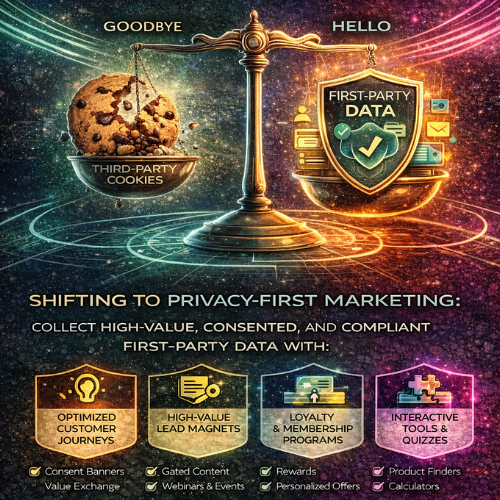
Privacy-First Marketing The Essential Pivot to First-Party Data
The digital marketing landscape is undergoing its most profound transformation in decades. The slow, painful deprecation of third-party cookies, coupled with rapidly evolving global privacy legislation (GDPR, CCPA), has forced businesses into a critical strategic pivot. The old era of broad, often intrusive, third-party tracking is over. The new era is built on consent, transparency, and high-quality, owned data. For businesses aiming not just to survive but thrive, this shift requires mastering Privacy-First Marketing and elevating First-Party Data (FPD) to the gold standard. The New Reality: Why Third-Party Cookies Are Obsolete For years, marketers relied on third-party cookies—tiny snippets of code dropped by external domains—to track users across different websites, build massive behavioral profiles, and enable retargeting. Today, this model is fundamentally broken: Browser Restrictions: Major browsers (Safari, Firefox, and increasingly Chrome) are blocking or severely restricting third-party tracking by default. Regulatory Pressure: Consumers are protected by stricter laws, making non-consensual tracking a legal liability. Consumer Expectations: Users are increasingly privacy-savvy and actively demand transparency in how their data is used. The result is a major loss of signal for traditional targeting and measurement tools. The only reliable solution is to control the data flow entirely—by collecting it directly. Understanding the Gold Standard: First-Party Data (FPD) First-Party Data is information a company collects directly from its customers through owned channels. Crucially, the customer knows they are providing the data, and the data is stored and utilized solely by the brand that collected it. The Power of FPD In the post-cookie world, FPD offers unmatched advantages: Accuracy and Quality: It is pristine, real-time data collected at the point of interaction (e.g., a purchase, a sign-up, or a website preference update). Compliance: Because it is collected with explicit or implied consent directly from the user on your domain, it inherently supports most major privacy frameworks. Higher ROI: FPD allows for highly effective personalization, leading to better segmentation, higher conversion rates, and increased Customer Lifetime Value (CLV). Ownership and Control: You own this data outright, safeguarding your marketing intelligence from external platform changes. Strategies for Ethical First-Party Data Collection Moving to a privacy-first model is not just a technical change; it's a strategic shift requiring innovation at every customer touchpoint. At WebWhizz, we help businesses structure their infrastructure to maximize ethical FPD capture and usage. Here are the core strategic pillars: 1. Optimize Your Customer Experience (CX) Touchpoints The best way to get data is to ask for it politely, explaining the value in return. The goal is to move passive visitors into known, consented users. Consent Management Platforms (CMPs): Implement clear, compliant consent banners and preference centers that allow users to easily opt-in or out, ensuring you adhere to local regulations. Value Exchange: Instead of demanding a massive sign-up form, offer progressive profiling. Ask for an email address in exchange for an immediate benefit (e.g., a 10% discount) and then collect more detailed demographic data later in the customer journey. 2. Leverage High-Value Content and Gated Assets Content remains one of the most powerful FPD collection tools. If the value of the content is high enough, the exchange for an email address or basic profile information becomes worthwhile for the consumer. Lead Magnets: Offer downloadable industry reports, comprehensive guides, or competitive analyses (e.g., "The 2024 State of E-commerce Report") behind a simple registration form. Webinars and Virtual Events: These require an email sign-up and often provide opportunities to collect deeper professional data (job title, company size) during registration. 3. Build Robust Loyalty and Membership Programs Subscription and loyalty programs are the bedrock of sustainable FPD strategy. They incentivize customers to actively share data about their preferences, purchase history, and lifestyle in exchange for rewards, early access, or exclusive content. The data gathered here (e.g., "Favorite product type," "Desired shipping speed") allows for hyper-segmentation that third-party data could never provide. 4. Implement Interactive and Data-Gathering Tools Static forms are dull. Interactive tools make data collection fun and useful for the customer. Quizzes and Product Finders: An interactive quiz like "Find Your Perfect Running Shoe" collects explicit preference data while simultaneously guiding the customer toward a purchase. Calculators and Configurators: Tools that help a customer solve a problem (e.g., "Estimate Your Website Development Cost") require input fields that translate directly into valuable intent data. The Technical Infrastructure: Moving Beyond the Browser Collecting FPD is only half the battle. To be useful, it must be centralized, cleaned, and activated across all marketing channels. This requires a robust technical foundation—expertise that is core to what we do at WebWhizz. Centralizing Data with a Customer Data Platform (CDP) The key component of a modern privacy-first stack is the Customer Data Platform (CDP). A CDP ingests all your FPD—from your website, CRM, POS systems, and service desks—and creates a single, unified customer profile. This unification allows you to: Activate Data: Use the same behavioral insights to personalize email, tailor website content, and create lookalike audiences for paid media (even without third-party cookies). Manage Consent: Apply consent flags uniformly across all systems, ensuring you never message a customer who has opted out. Enhancing Data Quality with Server-Side Tagging (SST) Traditional tracking relies on client-side tracking (browser tags), which are easily blocked by modern browsers and ad-blockers, leading to data loss. Server-Side Tracking (SST) moves the processing of data away from the user’s browser and onto a secure server you control. This significantly improves data quality and reliability while offering enhanced privacy control, as less data is exposed to the user’s device. Need help structuring your data infrastructure, integrating a CDP, or migrating to Server-Side Tracking? Learn about our comprehensive Data Strategy and Analytics services at WebWhizz Services. Moving Forward: Marketing Built on Trust The shift to Privacy-First Marketing is not a punitive measure; it is an opportunity. It forces businesses to move away from low-quality, high-volume data streams towards high-quality, high-trust relationships. When customers willingly provide their data because they trust your brand and understand the reciprocal value, the data you collect is exponentially more powerful. This trust translates directly into loyalty, retention, and ultimately, greater profitability. The future of marketing belongs to those who prioritize consumer consent and transparency. It’s time to stop chasing fleeting third-party signals and start cultivating your own rich garden of First-Party Data. Are You Ready for the Privacy Revolution? The post-cookie era is here, and waiting is no longer an option. Future-proofing your marketing means adopting technologies and strategies that center around the customer experience and ethical data collection. If your current analytics setup relies heavily on outdated tracking methods, or if your First-Party Data sits siloed across multiple systems, it’s time for an audit. The team at WebWhizz specializes in helping businesses navigate this transition, implementing robust data architecture and defining clear FPD strategies that drive compliance and results. Ready to audit your current analytics setup and build a resilient data strategy? Contact the WebWhizz team today and let’s make your marketing intelligence unstoppable.
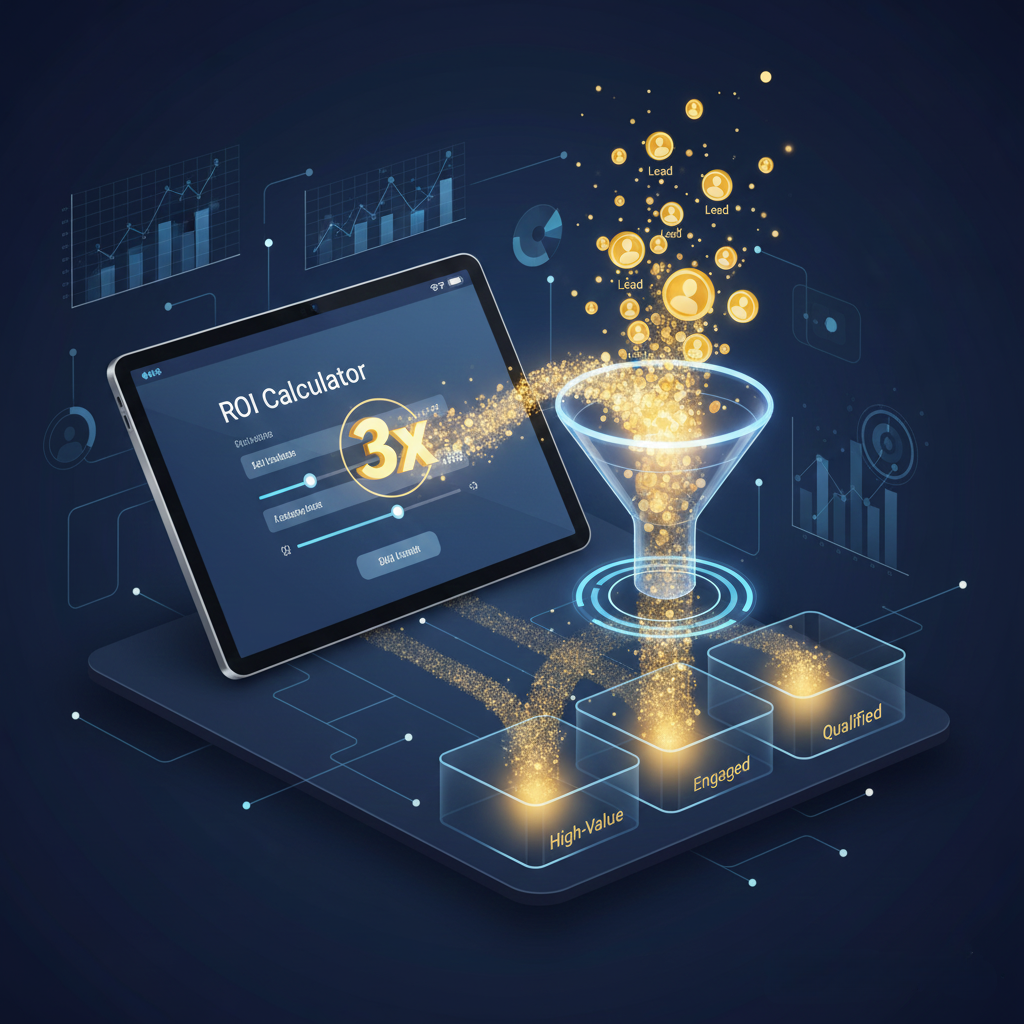
Interactive Content Why Quizzes, Polls, and Calculators Generate 3x More Leads
In today's saturated digital landscape, attention is the hardest currency to earn. Every business owner, content strategist, and marketing director knows the struggle: you pour resources into creating exceptional blog posts, white papers, and guides, only to watch lead conversion rates remain stubbornly low. The truth is, standard passive content—no matter how well-written—often hits a ceiling. If you’re ready to break through that barrier and transform your website into a true lead-generating machine, it's time to shift your strategy toward active participation. At WebWhizz, we specialize in building digital experiences that don't just inform, but engage, segment, and convert. The secret weapon? Interactive Content. This post will explore the compelling data behind interactive content, dissecting why quizzes, polls, and calculators consistently outperform standard content formats—sometimes generating three times the leads. The Engagement Crisis and the 3x Multiplier For years, content marketing operated on a simple premise: publish valuable content, and leads will follow. While valuable content remains the foundation of authority, it's no longer enough to initiate a conversion. Readers are easily distracted, and the barrier to simply skimming an article is zero. Interactive content flips this model. It requires the user to invest effort (answering a question, inputting data, making a choice) in exchange for personalized, instant gratification (a result, a recommendation, or an ROI figure). This investment drastically increases engagement time and, critically, improves the quality of the captured lead. Data Speaks: Higher Conversion, Better Data Studies consistently show that content requiring input sees far higher conversion rates than static forms attached to standard blogs. Why? Because the lead capture (often requiring an email address to receive personalized results) feels justified by the immediate value provided by the interaction. Instead of acquiring a cold lead who simply downloaded a generic PDF, you acquire a warm lead segmented by their specific answers, pain points, or calculated needs. Why Interactive Content Is Psychologically Powerful The success of interactive content isn't a fluke; it's rooted in fundamental human psychology and digital best practices. 1. The Principle of Reciprocity and Immediate Value When a user completes a quiz or uses a calculator, they have successfully completed a small task and expect a reward. Requesting an email address to deliver that personalized reward (the quiz result, the custom quote, the ROI estimate) feels like a fair transaction—a reciprocal exchange of value. 2. The Power of Personalization and Relevance Standard content is one-size-fits-all. Interactive content, by its nature, is tailored. · Quizzes answer the innate human need for self-reflection and categorization ("What kind of investor are you?"). · Calculators provide exact, relevant data ("How much can I save with your service?"). This personalization makes the user feel seen and understood, leading to higher trust and a stronger intent to purchase. This segmented data is gold for your follow-up email campaigns. 3. Entertainment Value and Virality Let’s face it: interacting is fun. Quizzes often carry a low-stakes entertainment factor that passive reading lacks. This makes them highly shareable across social media. A well-designed, entertaining quiz can generate significant organic traffic that would cost a fortune in paid advertising. Key Interactive Formats WebWhizz Leverages for Lead Generation At WebWhizz, we integrate interactive content strategy directly into the websites we design, ensuring these tools are seamlessly linked to your CRM and marketing automation platforms. Here are the three formats we utilize most effectively: 1. Strategic Quizzes and Assessments Quizzes are the ideal content format for segmenting your audience and identifying their precise stage in the sales funnel. Marketing Segmentation: Quizzes like "Assess Your Website Health in 5 Minutes" or "Which Service Package is Right For You?" immediately categorize leads based on their current needs and challenges. Service Relevance: The results page can directly recommend specific WebWhizz services, shortening the path from interest to consultation. Lead Quality: By analyzing the answers provided within the quiz, your sales team receives immediate context, allowing for highly targeted follow-up calls. 2. ROI and Utility Calculators For service-based businesses, especially B2B organizations, calculators move beyond simple engagement to demonstrating tangible value. The "Cost-of-Inaction" Calculator: This tool lets potential clients input their current data (e.g., current marketing spend, website traffic) and calculates the projected savings, ROI, or efficiency gains they could realize by partnering with you. Instant Budgeting: A simple "Project Estimator" provides instant, albeit broad, price clarity, qualifying leads based on budget compatibility before they even request a demo. 3. Polls and Surveys for Market Insights While quizzes focus on the individual, polls and surveys gather valuable collective market data. Instant Feedback Loops: Use quick polls on blog posts ("Is lead quality or lead volume your biggest challenge right now?") to gauge current market sentiment and inform future content strategy. Product/Service Validation: Surveys offer quantitative data on what features or services your target audience genuinely wants, providing a roadmap for development and marketing messaging. Implementation: How WebWhizz Activates Your Content Strategy Creating an interactive piece of content is more complex than writing a standard blog post. It requires sophisticated design, precise development, and seamless integration with existing marketing systems. At WebWhizz, we manage the entire lifecycle of your interactive content to ensure maximum conversion efficiency: Strategic Mapping: We identify the specific pain points of your target audience that a quiz or calculator can solve. Design and UX: We create intuitive, on-brand interfaces that maximize completion rates and minimize friction. Technical Development: We ensure the code is clean, fast, mobile-responsive, and accurate. Integration: The results are immediately funneled into your CRM (like HubSpot or Salesforce), tagging and scoring the lead based on their specific answers. Interactive content is not just an add-on; it's a foundational component of a high-converting digital presence. It delivers higher engagement, superior lead quality, and the competitive advantage necessary to thrive online. Ready to stop passively publishing and start actively converting? Let the team at WebWhizz transform your website from a passive brochure into an active lead magnet. Learn how we integrate customized interactive solutions with comprehensive web development and digital marketing strategies. Visit our services page today to start generating 3x the leads: webwhizzservices.com. Conclusion: Stop Informing, Start Engaging If your marketing focus is purely on traffic volume, you are missing the bigger picture: lead quality and conversion efficiency. Interactive content formats like quizzes, polls, and calculators provide the perfect mechanism to gather rich data while simultaneously offering immense value to your user. By shifting your strategy to prioritize active engagement, you don't just increase your conversion rate by 3x—you fundamentally improve the quality and segmentation of every lead that enters your funnel. It's time to put your users to work and watch your ROI soar.
Hyper-Local Marketing How to Dominate Your City’s Service Market
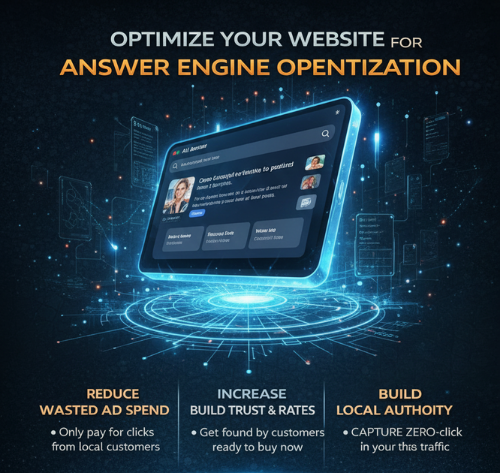
When potential customers need a service—whether it’s plumbing, legal consultation, fitness training, or specialized web design—they rarely search for a company 500 miles away. They search for "[Service] near me." In today’s crowded digital landscape, generic national campaigns are costly and inefficient for service providers. The real battlefield is local. Welcome to the power of Hyper-Local Marketing—a targeted strategy that uses precision tools like geo-tagging and specialized Local SEO to ensure that when someone in your service area needs what you offer, you are the first company they see. At WebWhizz, we specialize in helping service businesses stop competing nationally and start dominating their specific neighborhoods. This guide breaks down the essential pillars required to claim your local market territory. The Shift: Why Hyper-Local is the New Global For many service providers, the primary challenge isn't visibility, it's relevance. You could have a beautiful website, but if it doesn't clearly signal to search engines where you operate, it's useless locally. Hyper-Local marketing is the strategic pivot designed to capture customers within a very specific geographic radius. This focus allows you to: Reduce Wasted Ad Spend: Stop paying for clicks from users outside your service radius. Increase Conversion Rates: Local searchers are often ready to buy or book immediately. Build Local Authority: Consistent local visibility establishes trust and reliability within the community. Foundational Pillar 1: Mastering Local SEO Local Search Engine Optimization (SEO) is the framework upon which all hyper-local success is built. It’s about more than just having your address on your contact page; it’s about configuring your digital presence to be recognized as the most relevant local solution. Optimizing Your Google Business Profile (GBP) The Google Business Profile (formerly Google My Business) is the single most important tool for local service businesses. When users search locally, the GBP result—often appearing in the "Map Pack"—is what grabs the eye. Key GBP Optimization Strategies: Complete and Accurate NAP: Ensure your Name, Address, and Phone Number (NAP) are identical everywhere online, down to the spelling of "Street" versus "St. "Detailed Service Area: Clearly define the cities, zip codes, or neighborhoods you serve. Category Selection: Use all relevant categories, starting with the most specific primary category (e.g., "Web Designer" before "Marketing Agency"). Regular Posting and Q&A: Treat your GBP like a mini social media channel. Post updates about services, special offers, or local events. Manage Reviews: Promptly respond to all reviews (positive and negative). Google rewards businesses that actively engage with customer feedback. Location-Specific Content and Citations Your website content needs to actively tell search engines where you are. Service Area Pages: If you serve multiple towns (e.g., Denton, Frisco, and Plano), create unique, high-quality pages dedicated to each location. These pages must provide unique value (e.g., local testimonials, case studies specific to that town, or local landmarks) and not just be copy-pasted templates. Local Citations: Ensure your business is listed accurately on relevant third-party directories like Yelp, Yellow Pages, and industry-specific sites. These citations act as votes of confidence for your local relevance. Schema Markup: This is the underlying code that tells search engines exactly what your data means. Implementing LocalBusiness Schema on your site is non-negotiable for hyper-local dominance. If managing the technical details of structured data, citation consistency, and comprehensive GBP strategies seems daunting, our team at WebWhizz specializes in setting up these crucial foundations. We build robust Local SEO strategies tailored for service providers. Learn more about our Local SEO Services here. Foundational Pillar 2: The Critical Role of Geo-Tagging While Local SEO focuses on explicit location data (addresses, citations), geo-tagging uses implicit, often hidden, metadata to strengthen your local signal. It moves beyond simple address listing and tells search engines, with precision, where your digital assets belong. What is Geo-Tagging? (Beyond the Selfie) Most people associate geo-tagging with social media—the automatic location stamp on an Instagram photo. In Hyper-Local marketing, geo-tagging refers to embedding geographic coordinates (latitude and longitude) into digital assets used on your website and profiles. When search engines crawl your site, they look at the metadata embedded in your images, videos, and PDFs. If this metadata includes precise coordinates matching your service location, it significantly boosts your local relevance score, especially for image-based searches. Implementing Geo-Specific Strategies For service businesses, geo-tagging is critical for building a watertight local footprint. Image Geo-Tagging: Before uploading photos of your work (e.g., a finished website, a completed installation, a team meeting), use a geo-tagging tool to embed the coordinates of your business location or the location where the service was performed into the image file’s EXIF data. Website Metadata: Ensure all your critical service pages include relevant geo-keywords in their title tags and meta descriptions, linking them back to your target location. Geo-Fencing (Advanced Strategy): This involves drawing a virtual boundary around a specific physical location (like a competitor’s location or a high-traffic area). We can then target mobile users who enter or leave that boundary with highly specific ads related to your service. This is one of the most effective ways to steal market share locally. Geo-tagging is a powerful but technical strategy that requires specific knowledge of metadata and file manipulation. Because it involves deep file structure modification and advanced ad configuration, it often requires specialist support. Want to leverage advanced geo-tagging and geo-fencing strategies to precisely target customers in your immediate service area? WebWhizz offers specialized technical development and digital advertising services to execute these complex campaigns. Explore our Digital Strategy & Technical Development Services. Actionable Steps: Your Hyper-Local Checklist To start dominating your local service market today, follow this step-by-step process: 1. Audit Your NAP Consistency Use an online tool or manually check your business listings across the top 20 directories (Yelp, Facebook, Bing Places, etc.). Correct every inconsistency in name, address, or phone number. 2. Deep Dive into Your GBP · Upload at least five new high-quality photos to your GBP this month, ensuring they are geo-tagged. · Use the "Products" or "Services" feature to list everything you offer with detailed descriptions. · Encourage customers to leave reviews, specifically asking them to mention the service received and the location served within their text (e.g., "WebWhizz designed a fantastic website for my bakery in downtown Austin!"). 3. Create Localized Landing Pages Identify your top three most profitable service areas. Build a dedicated, unique landing page for each, featuring local testimonials and unique images that are properly geo-tagged. 4. Implement Local Links Look for local partnerships. Get listed on the website of your local Chamber of Commerce, neighborhood associations, or other non-competing local businesses. Local links are incredibly powerful for boosting authority. 5. Monitor Your Competitors Use Google Maps to search for your services in nearby neighborhoods. Analyze the top three competitors who consistently show up in the Map Pack. What are they doing differently with their review strategy or GBP posts? The Conclusion: Claim Your Local Territory Hyper-local marketing is not an optional extra; it is the core strategy for any service business looking to thrive in its immediate market. By strategically combining robust Local SEO practices with the precision of geo-tagging, you move from being one choice among many to being the only relevant choice in your city. Ready to stop wasting resources on broad campaigns and start focusing on the customers right outside your door? At WebWhizz, we provide the strategic insight and technical execution needed to dominate your city's service market. Let us help you put your business on the map, literally. Don't wait—the competition is already searching. Contact WebWhizz today to schedule a consultation and start building your hyper-local empire. Get Started with WebWhizz Services